
Water Alone Won't Hydrate You: The Balance of Electrolytes

Key Takeaways
True hydration is water and electrolytes working together, not water by itself.
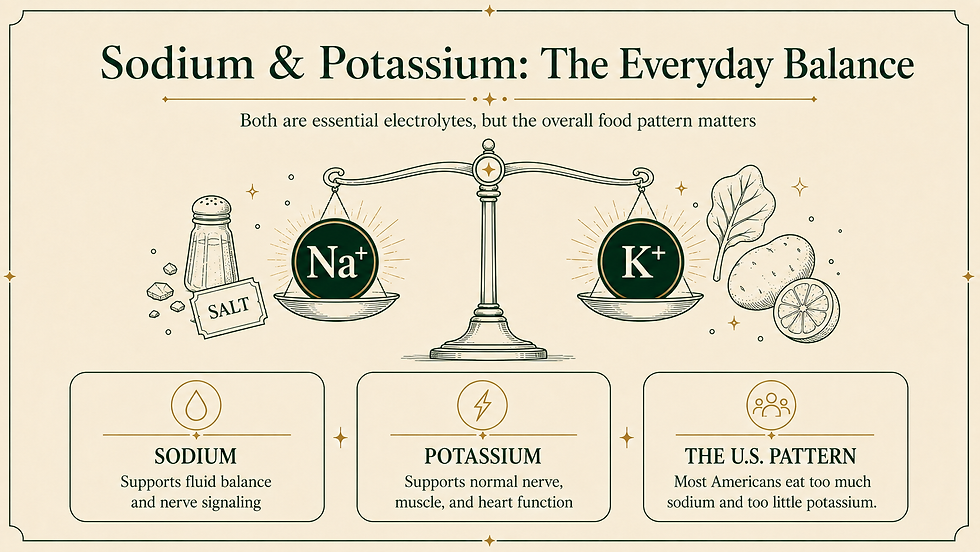
Your body relies on seven primary electrolytes, and sodium and potassium do most of the fluid-balance work.
High-sugar sports drinks like Gatorade and Powerade can carry 34 to 36 grams of added sugar per 20-ounce bottle and are not needed for everyday hydration.
Most adults do well near 2.7 liters (women) to 3.7 liters (men) of total daily fluid, adjusted upward for Florida heat and activity.
Drinking too much plain water in a short time can dilute your sodium and cause hyponatremia, which can be dangerous.
Cramps, fatigue, headaches, dizziness, and brain fog can all point to an electrolyte imbalance.
If you live in Naples, you know what the Gulf Coast summer does to you. A morning of pickleball in Pelican Bay or nine holes before the heat sets in, and your shirt is soaked before you finish. So you drink water. A lot of it. And yet you still feel wiped out, headachy, or crampy by the afternoon.
Here is the part most people miss. Chugging plain water is not the same thing as being hydrated. If you only replace the water you sweat out and ignore the minerals that leave with it, you can actually feel worse, not better.
This guide breaks down what real hydration looks like, what electrolytes are and why they matter, how sugar changes the picture, how much you truly need, and the warning signs your balance is off.
What does hydration actually mean?
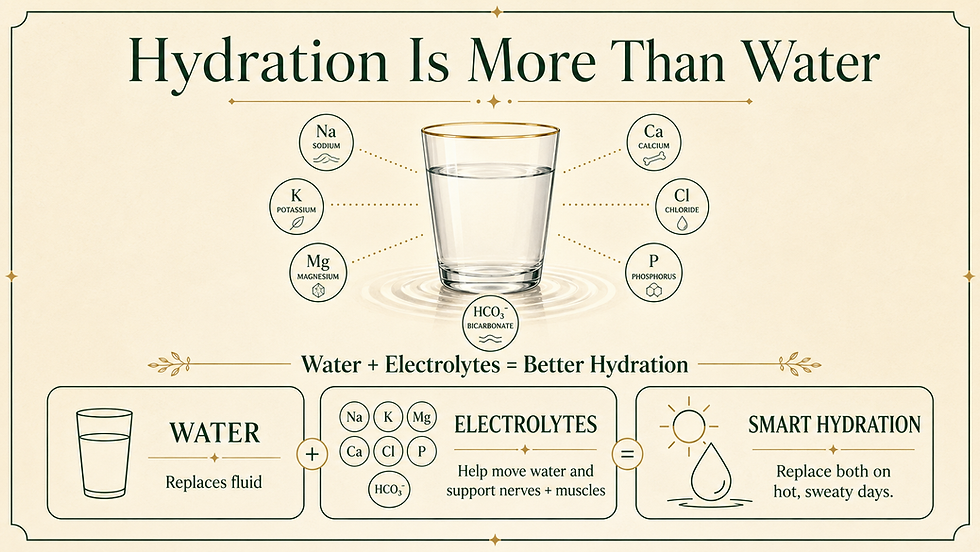
Hydration is not just about how much fluid is in your body. It is about keeping the right amount of water and the right amount of minerals in the right places, inside and outside your cells.
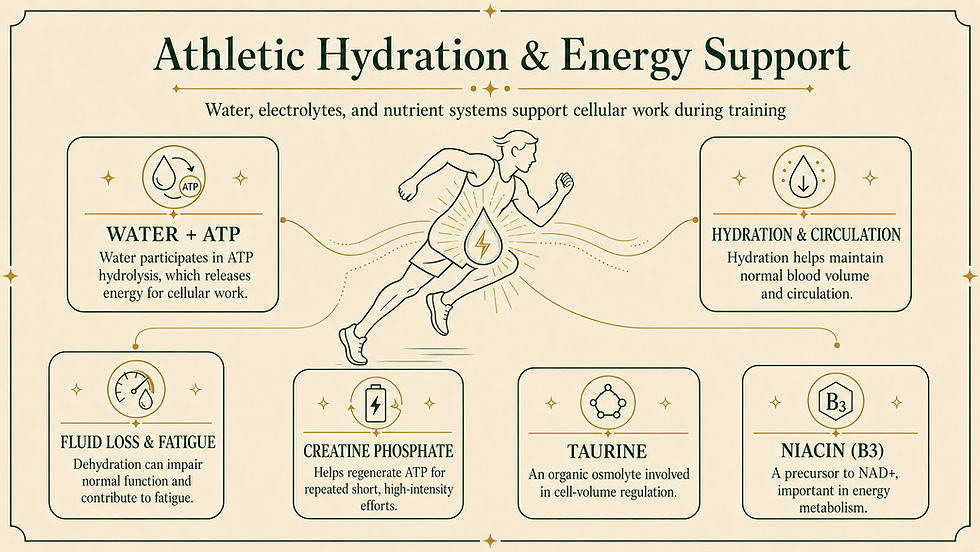
True hydration is water and electrolytes working together, not water alone. Electrolytes are charged minerals like sodium, potassium, and magnesium that pull water into your cells and keep your nerves and muscles firing. Drinking plain water without enough electrolytes can leave you tired, crampy, and foggy, even when you feel like you are drinking plenty.
Think of it like a battery. Water is the fluid, but electrolytes are the charge. Without the charge, the system does not run right.
What are electrolytes?
Electrolytes are minerals that carry an electrical charge when they dissolve in your body's fluids. According to the National Institutes of Health, these charged minerals are essential for basic functions like keeping your cells electrically stable and sending signals through your nerves and muscles.
You lose them through sweat, urine, and illness such as vomiting or diarrhea. You get them back through food and drinks. When levels drift too high or too low, your body does not work the way it should.
What are the main electrolytes?
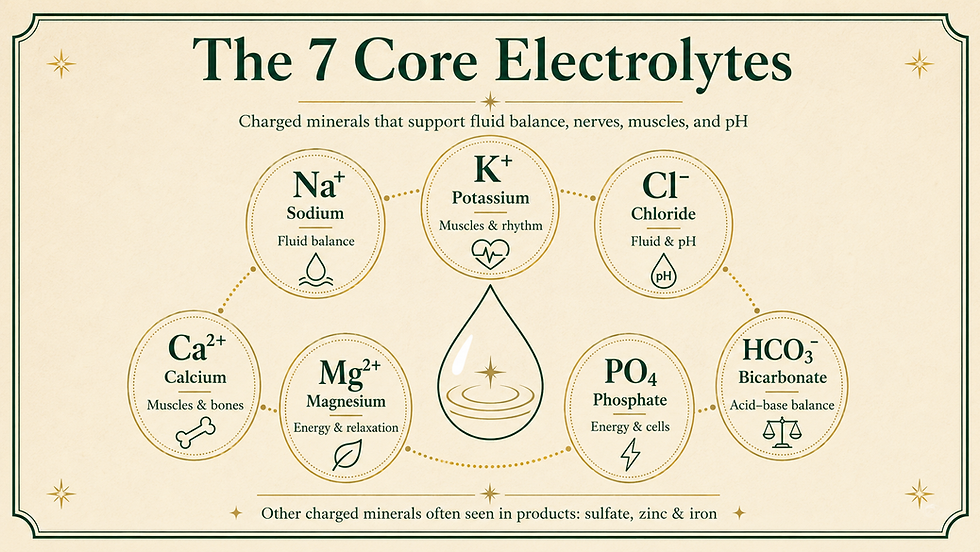
Clinical sources, including the National Institutes of Health and Cleveland Clinic, recognize seven primary electrolytes. A few other charged minerals round out most hydration and supplement lists.
The seven primary electrolytes:
Sodium keeps fluid balanced outside your cells and drives nerve signals. It is the main player in hydration.
Potassium works inside your cells and helps your heart beat in a steady rhythm.
Chloride partners with sodium to hold fluid balance and keep the right acid level.
Calcium helps muscles contract, supports bones, and helps blood clot.
Magnesium supports hundreds of reactions, including muscle relaxation and energy.
Phosphate helps make energy and builds bones and cell membranes.
Bicarbonate keeps your blood from becoming too acidic or too alkaline.
Rounding out the list, a few more charged minerals often appear in hydration and supplement products: sulfate, which the Institute of Medicine grouped with water and the other electrolytes in its official intake report, plus trace minerals like zinc and iron that also carry a charge and matter for overall mineral balance. That gives you the seven core electrolytes plus three supporting minerals, for ten in total. Sodium and potassium still do most of the day-to-day hydration work.
How does sugar affect hydration?
This surprises a lot of people. The sugar in a drink can actually slow down how fast you absorb the fluid.
Here is the short version. Your body absorbs a drink best when the sugar level is in a certain sweet spot. Sports scientists have found that drinks with about 6 to 8 percent carbohydrate empty from the stomach and enter the bloodstream at close to the speed of plain water. Sodas and many fruit juices sit higher, around 10 to 12 percent sugar. At that level, the drink can sit in your stomach longer and slow fluid delivery, which is the opposite of what you want when you are trying to rehydrate.
A small amount of sugar can help you absorb fluid and gives you fuel for long, hard efforts. Too much sugar tips the scale the other way and adds calories you may not need. For most everyday hydration, the sugar is doing more harm than good.
Are Gatorade and Powerade the best choice?
They have a place, but it is narrower than the marketing suggests. A standard 20-ounce bottle of Gatorade contains roughly 34 to 36 grams of added sugar, according to widely reported nutrition data. Powerade is similar, at about 21 grams per 12-ounce serving. For comparison, the American Heart Association suggests most men cap added sugar around 36 grams a day and most women around 25 grams. One bottle can use up nearly your whole daily sugar budget in a few minutes.
So when do these drinks make sense? During long, intense, sweaty activity that lasts more than about 45 to 60 minutes, the sugar and sodium can genuinely help. A snowbird playing a full pickleball tournament in July heat is a fair candidate. Someone sipping a sports drink at their desk is not.
For everyday hydration, better options include:
Water paired with a low-sugar or sugar-free electrolyte mix
Water with a pinch of quality salt and a squeeze of citrus
Coconut water, which naturally provides potassium
Mineral-rich whole foods like fruit, leafy greens, and broth
If you do reach for a store-bought electrolyte product, quality varies widely. Our guide on how to tell if a supplement is actually third-party tested can help you avoid junk-filled options.
How much water and electrolytes do you really need?
The old "eight glasses a day" rule was never based on hard science. The National Academies of Sciences set a more useful baseline. For healthy adults in a mild climate, adequate total fluid is about:
2.7 liters (11.5 cups) a day for women
3.7 liters (15.5 cups) a day for men
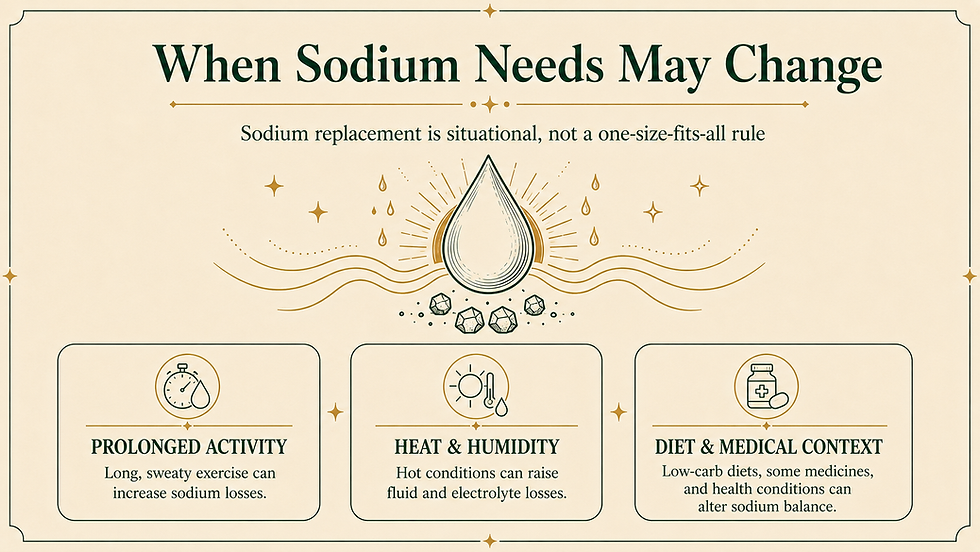
Two important notes. First, that total includes water from food, not just what you drink. About 20 percent of your fluid comes from what you eat. Second, these numbers are a starting point for a temperate climate, and Naples is not temperate in the summer.
Your real needs go up with:
Heat and humidity. Southwest Florida summers pull more water and sodium out of you through sweat.
Activity. Golf, tennis, pickleball, boating, and yard work all raise your losses.
Age. Older adults feel thirst less reliably, which matters for our many retirees.
Certain medications. Some blood pressure and heart medications change fluid and mineral balance.
Illness. Vomiting, diarrhea, and fever drain electrolytes fast.
Electrolyte needs are harder to put a single number on because they depend on how much you sweat, what you eat, and your health. This is where testing beats guessing. At Harmony Health Clinic, we look at your actual lab values instead of applying a one-size-fits-all rule, which fits our root-cause functional medicine approach. If ongoing fatigue is part of your picture, it may tie into more than hydration, as we cover in our post on chronic stress, fatigue, and hormone imbalance.
What are the signs of an electrolyte imbalance?
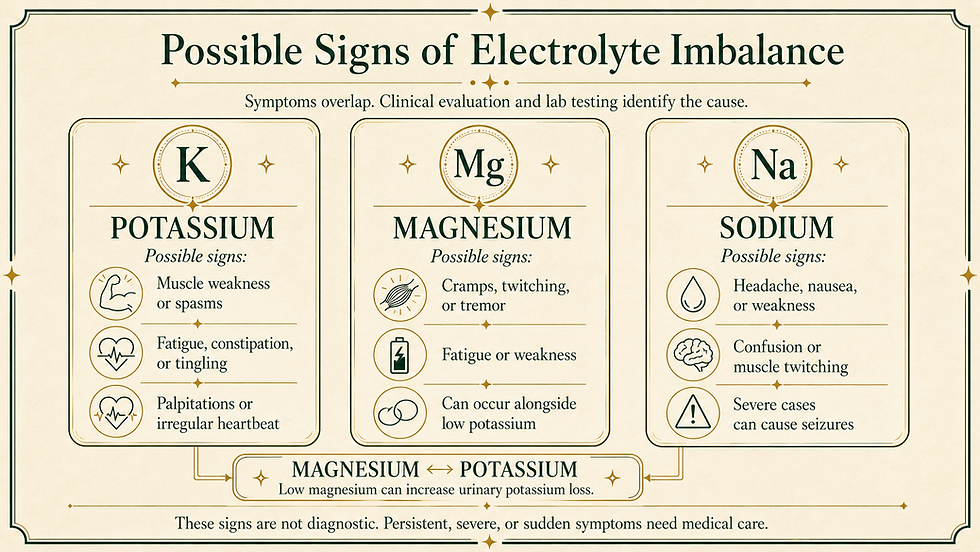
Because electrolytes touch nearly every system, the signs can be easy to brush off as a rough day.
According to Cleveland Clinic, common signs of an imbalance include:
Muscle cramps, spasms, or twitching
Fatigue or weakness
Headaches
Dizziness or lightheadedness
Nausea
Irregular or racing heartbeat
Confusion or brain fog
Numbness or tingling
Mild shifts can feel like ordinary tiredness. Bigger or faster shifts can be serious. Sodium is a good example. Too little sodium, called hyponatremia, and too much, called hypernatremia, both cause real symptoms. The same goes for potassium, calcium, and magnesium.
Frequent muscle cramps during Gulf Coast workouts, or headaches that show up on your sweatiest days, are worth paying attention to. They are often your body asking for minerals, not just more water. Dehydration is also a well-known trigger for migraines and headaches.
Can you drink too much water?
Yes, and it is more than a technicality. It has a name: water intoxication, or hyponatremia. When you drink a large amount of plain water in a short time, you dilute the sodium in your blood. As Cleveland Clinic explains, that drop in sodium pulls water into your cells and makes them swell, including cells in your brain. That is what makes it dangerous.
Early symptoms can look like nausea, headache, and confusion. Severe cases can lead to seizures and are potentially fatal. Reporting from University Hospitals notes that the most common cause is drinking too much water too quickly, which is why it shows up most in endurance athletes who flood their systems with water and never replace the sodium they sweat out.
The takeaway is not to fear water. It is to pair it with electrolytes when you are sweating hard, and to drink to thirst rather than forcing huge volumes fast.
How to hydrate smarter in Naples
A few simple habits go a long way in our climate:
Drink steadily through the day instead of chugging all at once.
Add electrolytes on hot, sweaty, or high-activity days, not just water.
Eat water-rich, mineral-rich foods like fruit, vegetables, and broth.
Watch your urine color. Pale yellow is a good general sign.
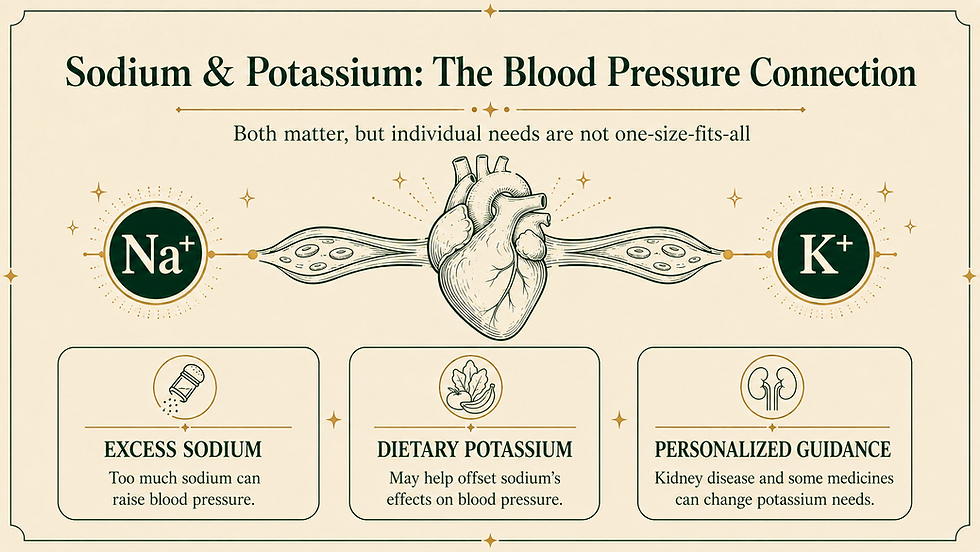
If you take blood pressure or heart medication, ask your provider how it affects your fluid and mineral balance. You can read more about how sodium can actually improve blood pressure for the right person.
Frequently Asked Questions
Does drinking water alone keep you hydrated?
Not fully. Real hydration needs water plus electrolytes such as sodium, potassium, and magnesium. These charged minerals move water into your cells and support nerve and muscle function. Drinking only plain water, especially in large amounts, can dilute your electrolytes and leave you feeling tired or crampy.
What are the signs of an electrolyte imbalance?
Common signs include muscle cramps, twitching, fatigue, headaches, dizziness, nausea, irregular heartbeat, confusion, and brain fog. Symptoms depend on which electrolyte is off and how fast it changed. Mild cases can feel like everyday tiredness, while severe imbalances need medical care.
Are Gatorade and Powerade good for hydration?
They can help during long, intense, sweaty exercise lasting more than about an hour. But a 20-ounce bottle can hold 34 to 36 grams of added sugar, close to a full day's limit for many adults. For everyday hydration, water plus a low-sugar electrolyte source is usually the better choice.
How much water should I drink each day?
The National Academies of Sciences suggests about 2.7 liters (11.5 cups) of total fluid a day for women and 3.7 liters (15.5 cups) for men, including water from food and drinks. In Florida's heat, or with heavy activity or sweating, your needs can be higher.
Can you drink too much water?
Yes. Drinking a large amount of plain water in a short time can dilute the sodium in your blood, a condition called hyponatremia or water intoxication. Symptoms include headache, nausea, confusion, and in severe cases seizures. It is most common in endurance athletes who overdrink without replacing sodium.
Feeling off despite drinking plenty of water?
Cramps, fatigue, and brain fog are not always about how much water you drink. They can signal a mineral imbalance worth looking into. At Harmony Health Clinic in Naples, we use real lab testing to find the root cause instead of guessing. Book your appointment today and let's get your hydration and energy back on track.
Disclaimer: This article is for informational purposes only and does not constitute medical advice. Always consult with a licensed healthcare professional for diagnosis and treatment.


